
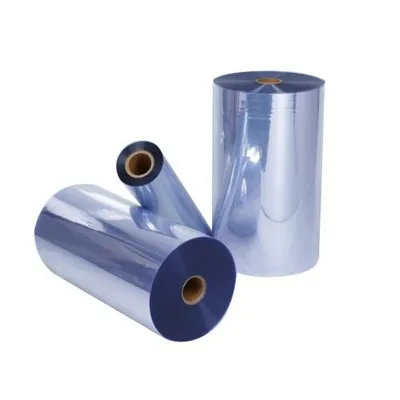
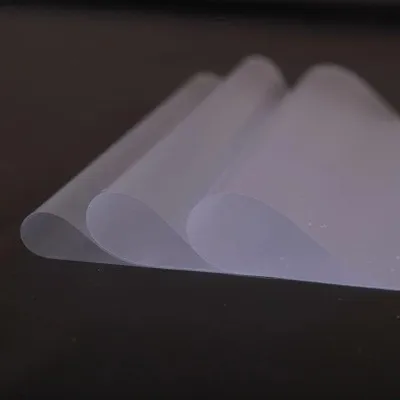
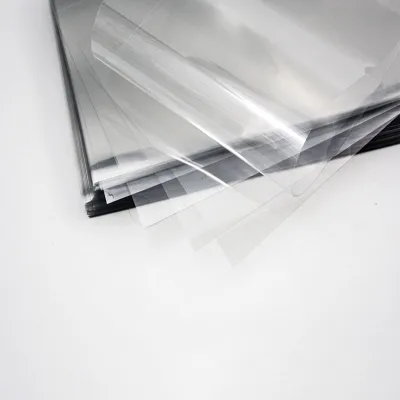
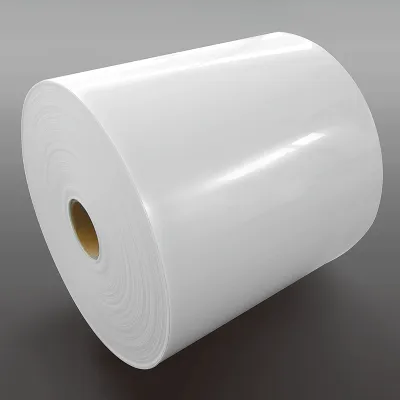
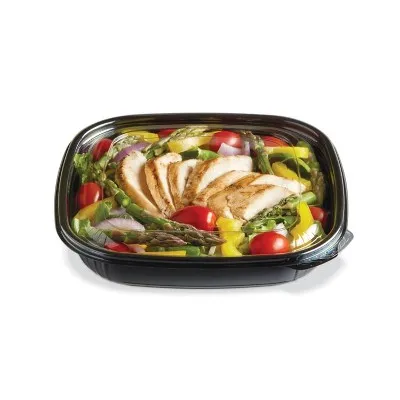
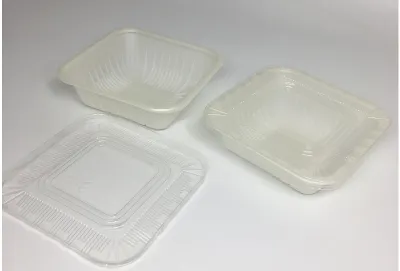
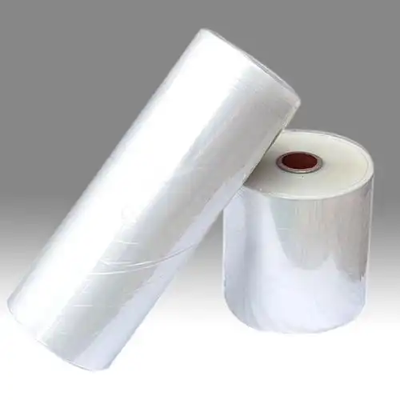
While our PVC rigid film is widely chosen for pharmaceutical blister packaging, its applications extend far beyond the medical field. This versatile material is also ideal for food packaging, electronics protection, toy clamshells, hardware displays, cosmetic packaging, and industrial components-offering the same clarity, formability, and reliability across every use.
Products Advantages
1With good transparency
PVC has high transparency, allowing consumers to easily observe the appearance and quantity of medicines, facilitate the inspection of their integrity, and also benefit from displaying the medicines.
2.Excellent molding properties
PVC material has excellent molding properties, making it easy to process during blister packaging production. It can quickly form regular and stable packaging, improving production efficiency and reducing energy consumption.
3.Good mechanical strength
PVC has good toughness, which can effectively protect medicines from compression, damage or contamination during transportation and storage.
4.Good moisture-proof and barrier properties
PVC provides some barrier properties against moisture and oxygen, which helps maintain the stability of medicines and extends their shelf life.
5.It can be combined with other materials
PVC can also be combined with materials such as PVDC and PE to further improve its oxygen barrier and moisture-proof properties, in order to meet the packaging requirements for pharmaceutical protection.
combined with other materials
Our factory has recently started producing composite films with better barrier properties, which can better protect pharmaceuticals.
1.PVC/PE/PVDC
Outer layer:PVDC Coating:High-performance barrier to oxygen (OTR) and moisture (WVTR), providing customized protection.
Intermediate layer:PE Layer:Enhances flexibility, facilitates deep cavity forming, and improves weight distribution during the thermoforming process.
Inner layer:PVC Layer:Provides rigidity and thermoformability, ensuring structural integrity during the blister forming process.
2.PVC/PVDC
Outer layer:PVC:Located on the outside of the packaging, it comes into direct contact with the external environment and the blister molding mold.It provides the main rigidity, stiffness, and support, determining the shape and overall strength of the blister pack. It is also the printing surface for printing pharmaceutical information (such as product name and specifications).
Inner layer:PVDC:It is coated or laminated onto the inside of PVC, directly facing and in contact with the tablet.As the core high-barrier layer, it effectively prevents oxygen and water vapor from penetrating, protecting the stability and shelf life of the medicine.
3.PVC/Aclar
PVC layer: Usually a rigid or semi-rigid PVC sheet, with good stiffness, easy formability and excellent printability.
Aclar layer: As a barrier layer, it is usually very thin (e.g., tens of micrometers) and provides near-perfect barrier against water vapor and oxygen.
Due to the high melting point and strong chemical inertness of Aclar films, they cannot be laminated with PVC using melt co-extrusion. Therefore, dry lamination is the only mature and mainstream industrialized method.
Comparison
PVC/PE/PVDC – For High Barrier & Durability
Ideal for solid pharmaceuticals (capsules, tablets), nutraceuticals, and select food packaging requiring superior barrier protection, reliable heat sealing, and impact resistance.
PVC/PVDC – The Mainstream Choice for Blister Packaging
Widely used for OTC medications, prescription drugs, and moisture/oxygen-sensitive foods like coffee and nuts. Balances effective protection with cost efficiency.
PVC/Aclar – Premium Protection for Sensitive Products
Designed for high-value pharmaceuticals (biologics, antibiotics, targeted therapies) and nutraceuticals where clarity, long-term stability, and the highest barrier performance are essential.