
core Comparison
| Property | PET | PP |
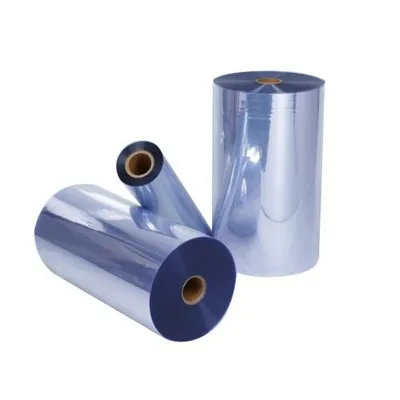
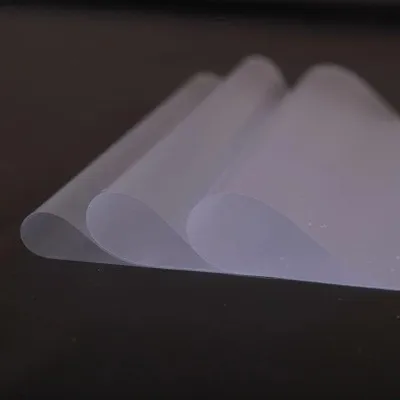
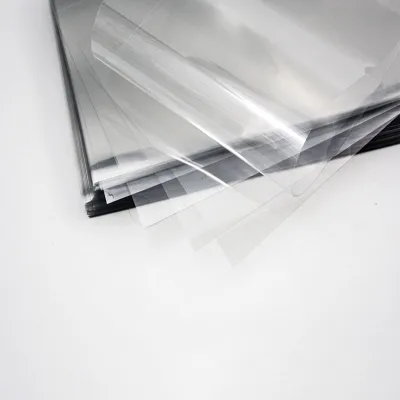
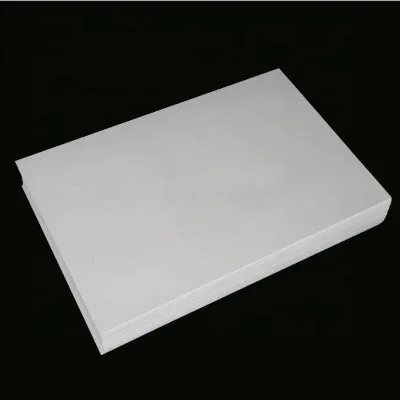
| Transparency & Gloss | Crystal-clear, glass-like gloss, perfect for retail display | Semi-transparent/opaque (natural milky white), lower gloss; can be made clear but not as bright as PET |
| Heat Resistance | Max safe temp: 60–70°C; softens/deforms above 75°C; NOT microwave-safe; cold-resistant to -40°C | Max safe temp: 110–120°C; withstands boiling/steam sterilization; microwave-safe; cold-resistant to -20°C (brittle below -10°C) |
| Barrier Properties | Excellent oxygen/moisture barrier (extends shelf life for oils, snacks, beverages) | Poor oxygen barrier (good for moisture only); better for dry/hot foods not sensitive to oxidation |
| Mechanical Strength | Rigid, high tensile strength, good drop resistance (1.5m drop test stable); brittle at extreme low temps | Flexible, tough better impact resistance for heavy/stacked packaging |
| Food Safety | Food-grade; avoid high heat | Food-grade; safe for hot filling, microwave, and direct food contact |
| Recyclability | Widely recycled | Recyclable but less consistent infrastructure; single-material PP improves recyclability |
| Cost | Slightly higher raw material cost | Lower cost; better for high-volume, functional packaging |
Typical Food Packaging Applications
PET Best For
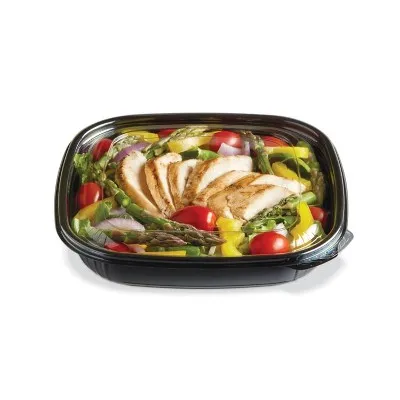
Cold/chilled foods: Salads, sushi, fresh fruit, deli meats, desserts, ready-to-eat cold meals
Shelf-stable snacks: Cookies, candy, nuts, dried fruit (high barrier for freshness)
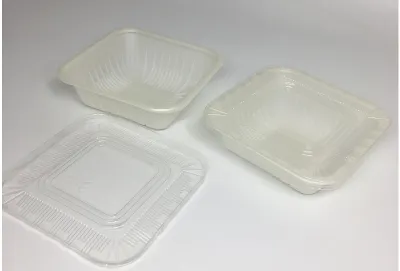
Clear clamshells, thermoformed trays, bottles, jars (display-focused)
PP Best For
Hot food & takeout: Microwaveable lunch boxes, soup containers, hot meal trays.
Dairy: Yogurt cups
Frozen food: Microwaveable frozen dinners, ice cream tubs