
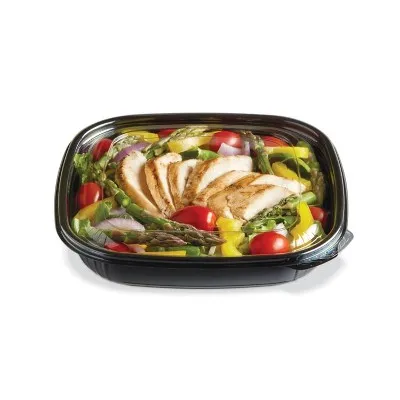
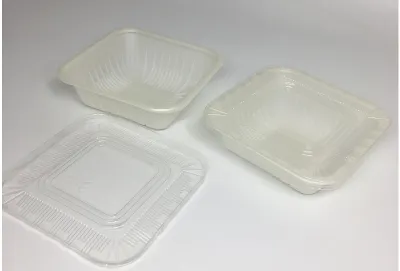
Plastic containers are ideal for storing various types of food items. The polymeric material does not enter into chemical interaction with food, does not absorb moisture, is resistant to high (or low) temperatures and does not promote the growth of microorganisms.
At the moment, the market is saturated with offers from manufacturers of plastic containers, which differ in the material of construction and technical characteristics. This article offers a number of tips on how to choose plastic packaging using the example of confectionery.
When choosing plastic packaging for confectionery, there are several factors to consider to ensure the safety and quality of the product. Here are some tips on how to choose the right plastic packaging for your confectionery products:
1. Type of plastic: There are different types of plastics that can be used for packaging, such as PET, PVC, and PP.
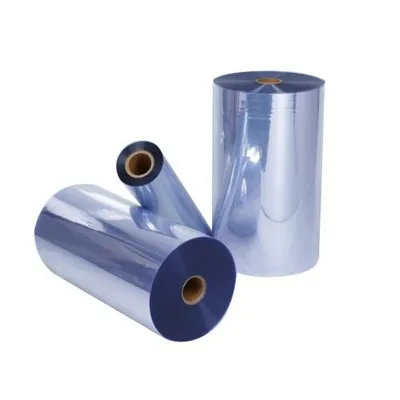
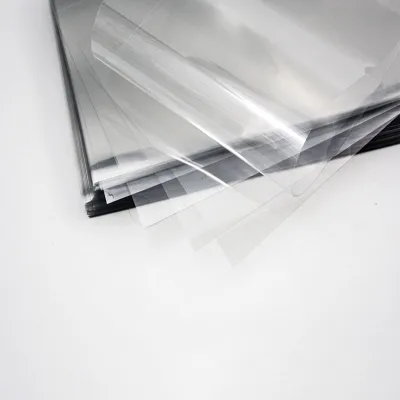
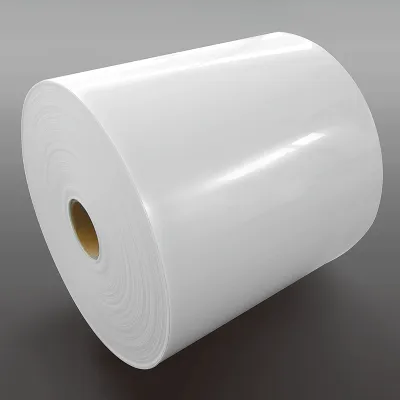
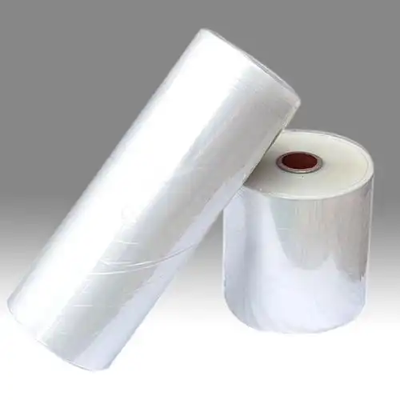
PET is a popular choice for confectionery packaging because it is transparent, lightweight, and has good barrier properties. https://www.chinapackfilm.com/pet-film/transparent-rigid-pet-sheet-rolls.html
PVC is also widely used but has environmental concerns.
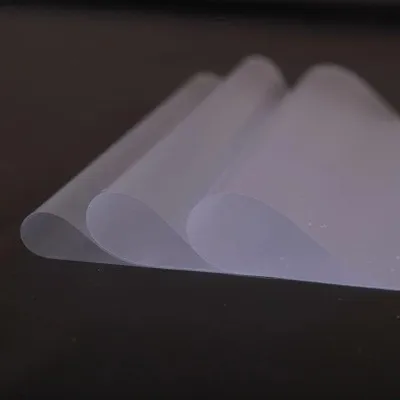
PP is another option that is durable and safe for food contact.https://www.chinapackfilm.com/pp-rigid-film/rigid-polyprop-film-packing-material.html
A standard disposable food container is made from the following materials:
Polystyrene. A hard and durable material, approaching in its characteristics to glass. The packaging is characterized by a relatively high cost and has a heating limit (no more than +700C).
Polyethylene. In the production of plastic packaging for confectionery, it is more common than polystyrene. Products made of polyethylene are cheaper, but do not look so presentable.
Polypropylene. It is considered the most versatile material for the manufacture of packaging. It is characterized by high strength, transparency and a wide range of permissible storage temperatures.
2. Barrier properties: The packaging should provide good barrier properties to protect the confectionery from moisture, oxygen, and light. This will help to keep the product fresh and prevent spoilage.
3. Sealability: The packaging should be properly sealed to prevent air and moisture from entering or escaping. This will help maintain the freshness and quality of the confectionery.
4. Size and shape: The packaging should be appropriately sized and shaped to fit the confectionery product. This will help to reduce wasted space and ensure that the product is well-protected.
5. Branding and marketing: The packaging should also be designed to attract and engage customers. It should be visually appealing, informative, and easy to open and close.
6. Environmental impact: It is important to consider the environmental impact of the packaging. Look for packaging that is recyclable and made from sustainable materials.
In summary, when choosing plastic packaging for confectionery, consider the type of plastic, barrier properties, sealability, size and shape, branding and marketing, and environmental impact. By carefully selecting the right packaging, you can ensure that your confectionery product is safe, high-quality, and appealing to customers.